

CONDITION
Extra-Pelvic Endometriosis
Extrapelvic endometriosis occurs when endometrial-like tissue grows outside the pelvic cavity, affecting areas such as the abdominal wall, groin, bowel, and occasionally more distant sites like the diaphragm or lung. While less common than typical pelvic endometriosis, this condition can significantly impact quality of life and requires specialised recognition and management.
Understanding the various presentations and locations of extrapelvic endometriosis helps ensure appropriate diagnosis and treatment for patients experiencing symptoms that might initially seem unrelated to their reproductive health.
Common types and locations include abdominal wall endometriosis, which often develops at surgical scar sites, particularly following cesarean sections. This scar endometriosis typically presents as a painful, cyclical mass at the incision site that becomes more symptomatic during menstruation. It affects approximately 0.03-0.45% of women who have undergone cesarean delivery, though actual numbers may be higher due to underdiagnosis.
Thoracic endometriosis represents another significant category, affecting the chest cavity, including the diaphragm, pleural surfaces, and lung tissue. This form predominantly affects the right side of the chest, but occasionally the left side. One of the most common symptoms of diaphragmatic endometriosis is cyclical shoulder tip pain that can radiate to the neck. Less commonly, thoracic endometriosis can cause catamenial pneumothorax (a collapsed lung during menstruation), chest pain coinciding with menstrual periods, and, in rare cases, coughing up blood during menstruation.
Diagnosing extrapelvic endometriosis requires high clinical suspicion, especially in women with cyclical symptoms occurring at surgical sites or in distant organs. MRI provides excellent soft tissue contrast and is the imaging modality of choice for evaluating suspected extrapelvic endometriosis. Ultrasound can be useful for superficial abdominal wall lesions, particularly when performed during menstruation, when lesions may be more prominent. CT scans may be employed when evaluating thoracic or abdominal organ involvement. However, a definitive diagnosis ultimately requires histopathological confirmation of endometrial glands and stroma within the affected tissue.

While some women with endometriosis will only ever have painful periods, others develop more complex pain over time, including any or all of the following pains:
Some women have one or more of these pains without having endometriosis.
The treatment of extrapelvic endometriosis depends on the location, severity of symptoms, and patient preferences.
Medical management using hormonal suppression can provide symptom relief, though complete resolution is less likely compared to surgical treatment. Oral contraceptive pills, progestins, GnRH agonists or antagonists may help control cyclical symptoms. However, symptoms typically recur when hormonal therapy is discontinued, making surgery the preferred definitive treatment for most cases.
Diaphragmatic and thoracic endometriosis may require collaboration with a liver surgeon or thoracic surgeon. A multidisciplinary approach is essential for optimal outcomes, particularly when extrapelvic endometriosis involves multiple organ systems. Dr Wynn-Williams has extensive experience with diagnosing and managing extra-pelvic endometriosis. Michael works in collaboration with Colorectal Surgeons, Liver Surgeons and Thoracic Surgeons to ensure comprehensive evaluation and treatment planning.
Early recognition and appropriate management of extra-pelvic endometriosis can significantly improve the quality of life and prevent the progression of this challenging condition.


Dr Michael Wynn-Williams
MBChB (Otago), FRANZCOG
Gynaecologist, Advanced Laparoscopic Surgeon, Endometriosis and Pelvic Pain Specialist
Dr Michael Wynn-Williams is a highly experienced Auckland gynaecologist and AGES level 6 laparoscopic surgeon, specialising in the treatment of endometriosis, fibroids, pelvic pain, and ovarian cysts. With a commitment to minimally invasive surgery, advanced endometriosis ultrasound and evidence-based practice, he helps women across New Zealand achieve better outcomes with empathy, precision, and respect
Extra-Pelvic Endometriosis Resources
-
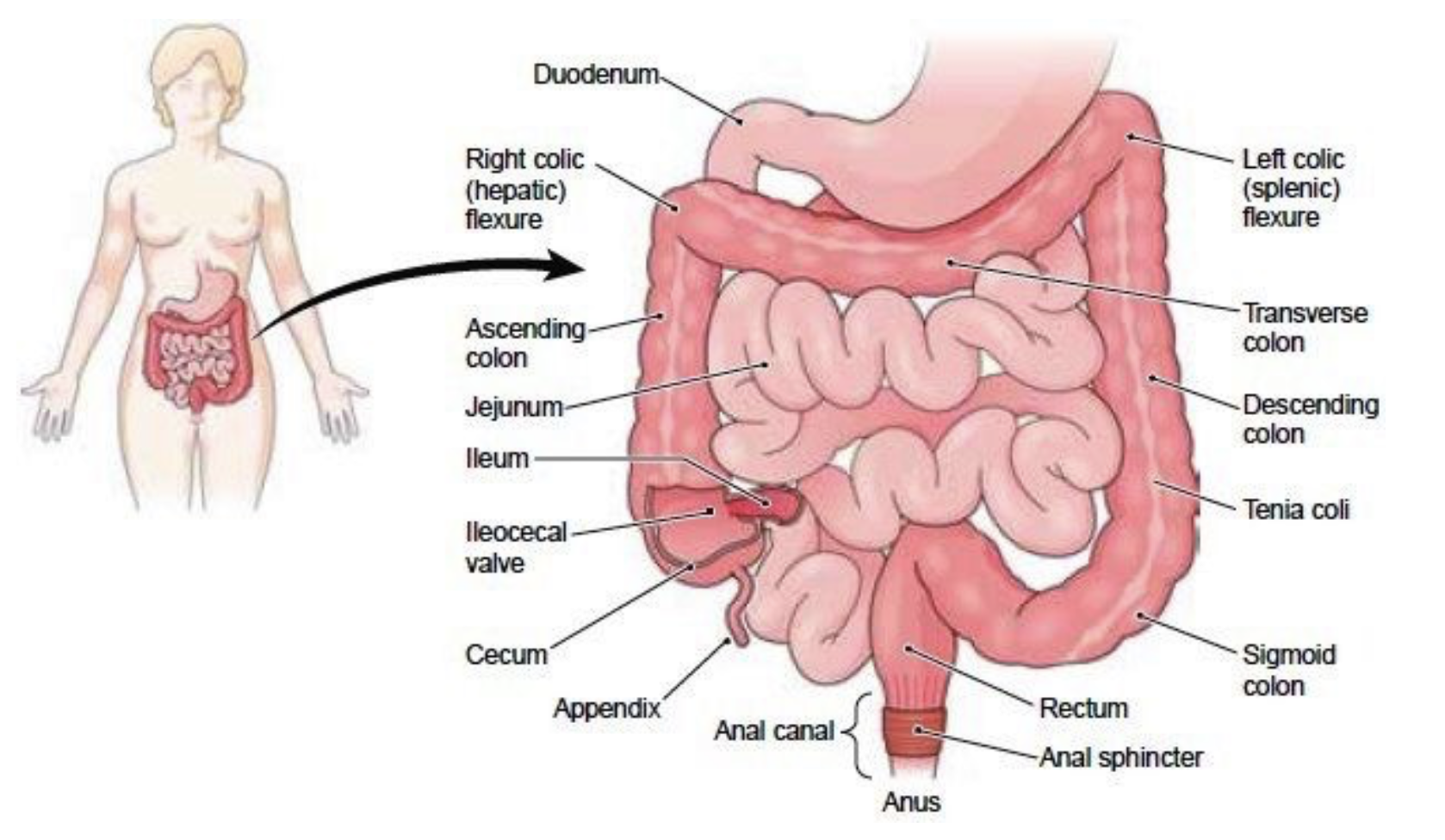
Endometriosis and the bowel
Endometriosis Australia Blog
by Dr Michael Wynn-Williams
-
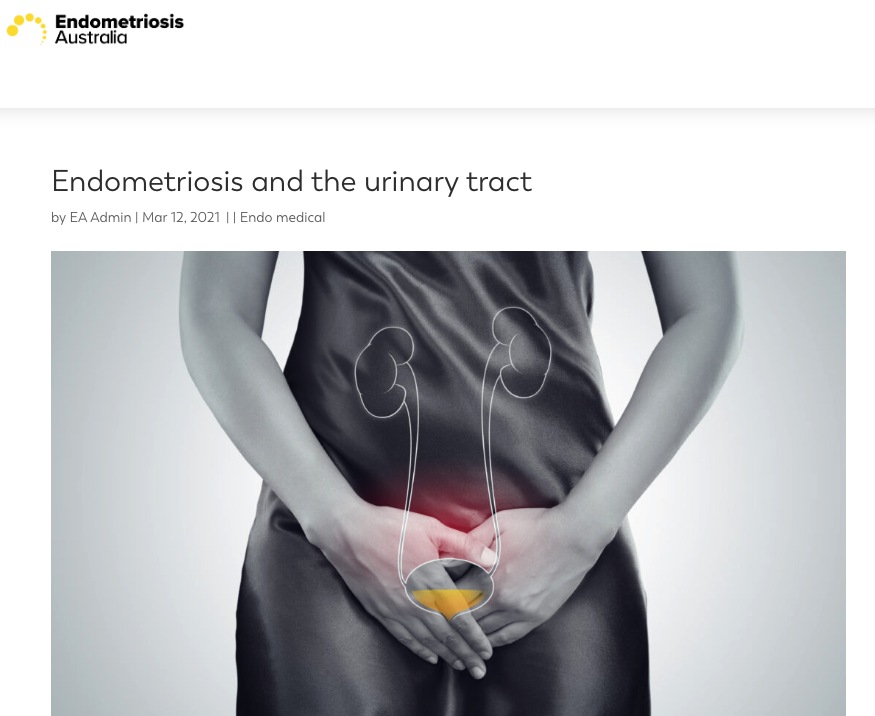
Endometriosis and the urinary tract
Endometriosis Australia Blog
by Dr Michael Wynn-Williams
-
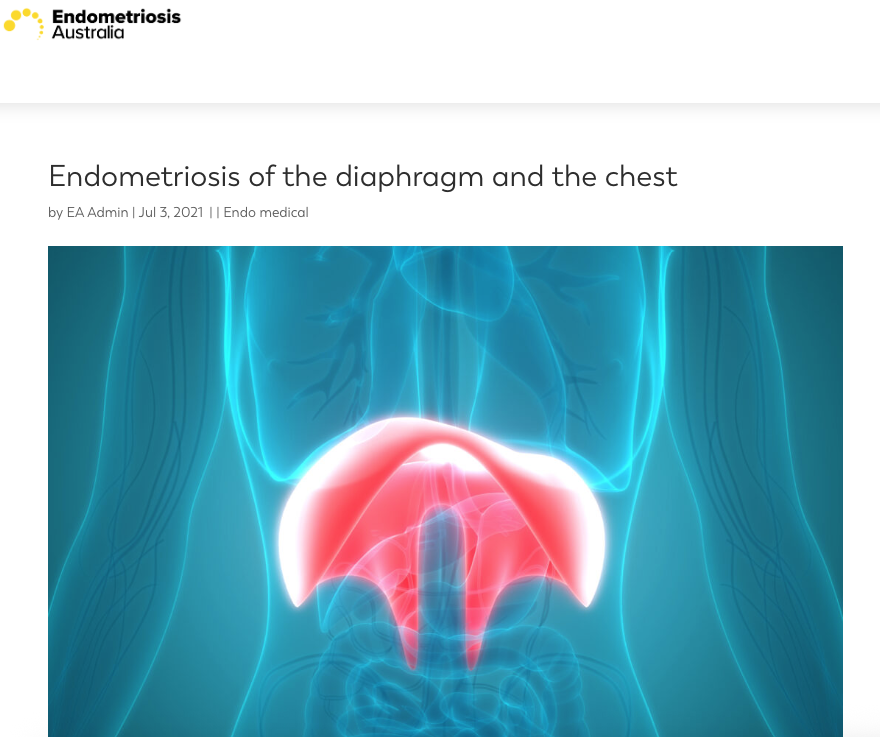
Endometriosis of the diaphragm and the chest
Endometriosis Australia Blog
by Dr Michael Wynn-Williams