

CONDITION
Ovarian Cysts: Symptoms, Diagnosis and Surgical Management
Ovarian cysts are common and often harmless, but some can cause pain, bloating, or menstrual changes. Dr Michael Wynn-Williams offers expert assessment and minimally invasive treatment, including laparoscopic cyst removal when needed.
Understanding Benign Ovarian Cysts
Ovarian cysts are fluid-filled sacs or solid masses that develop on or within the ovaries. Most cysts found in women aged 20 to 50 are benign (non-cancerous) and often resolve on their own, though new pelvic pain or persistent symptoms should always be evaluated.
Ovarian Malignancy (Cancer)
While most ovarian cysts are benign, it’s important to exclude malignancy, especially in women over 40 or when cysts look unusual. Ovarian cancer is uncommon, but features that can raise suspicion include cysts with solid areas, thick walls, papillary projections, ascites (fluid buildup), or rapidly increasing size.

Types of Benign Ovarian Cysts
1. Functional Cysts: These are the most common and develop as part of your normal menstrual cycle. They include: Follicular cysts, which form if an egg isn’t released from its follicle as expected; Corpus luteum cysts, which occur when the sac that released the egg re-seals and fills with fluid.
Most functional cysts need no treatment and resolve within a few months.
2. Dermoid Cysts (Mature Cystic Teratomas): Dermoid cysts arise from cells that can become different tissue types. They may contain fat, hair, or even teeth. Although these cysts are generally benign and slow-growing, they can occasionally cause pain or complications, so removal may be necessary if they are large or symptomatic.
3. Endometriomas: Also known as “chocolate cysts,” these result from endometriosis, where tissue similar to the womb lining grows outside the uterus. Endometriomas contain old blood and can cause pelvic pain, especially around menstruation, and may impact fertility. Management often involves surgery if symptoms are severe.
Transvaginal Ultrasound and Tumour Markers
Assessment of an ovarian cyst usually involves a transvaginal ultrasound, which uses a small probe placed inside the vagina to provide detailed images of the ovaries. This scan helps identify the nature, size, and characteristics of the cyst—such as its solid or fluid components, and whether there are features concerning for malignancy.
Blood tests, including tumour markers like CA-125, can also be used in the evaluation. While CA-125 may be elevated in ovarian cancer, it can also rise in many benign conditions (including endometriosis and even menstruation), so results are interpreted alongside your symptoms and imaging findings.
Symptoms and When to Seek Help
Most ovarian cysts are silent, but some can cause pelvic pain, a sense of fullness, bloating, changes in your period, or pain with intercourse. Urgent medical attention is needed for sudden, severe pain, faintness, or dizziness, which may indicate a cyst complication.
Diagnosis and Management
If a cyst is thought to be benign and not causing significant symptoms, it may be managed conservatively with follow-up scans. For larger, symptomatic, or suspicious cysts, minimally invasive (keyhole) surgery may be considered.
For any ovarian cysts with suspicious features, further assessment by a gynaecologist is vital. If you have concerns about ovarian cysts, are experiencing symptoms, or want to discuss your situation, please get in touch to arrange an assessment. Your health and reassurance remain our utmost priority.


Dr Michael Wynn-Williams
MBChB (Otago), FRANZCOG
Gynaecologist, Advanced Laparoscopic Surgeon, Endometriosis and Pelvic Pain Specialist
Dr Michael Wynn-Williams is a highly experienced Auckland gynaecologist and AGES level 6 laparoscopic surgeon, specialising in the treatment of endometriosis, fibroids, pelvic pain, and ovarian cysts. With a commitment to minimally invasive surgery, advanced endometriosis ultrasound and evidence-based practice, he helps women across New Zealand achieve better outcomes with empathy, precision, and respect
Ovarian Cyst Resources
-
EndoZone: Understanding Pain in Endometriosis
Endozone video
-

Chronic Pelvic pain
ABOUT MEDICINE VIDEO
-
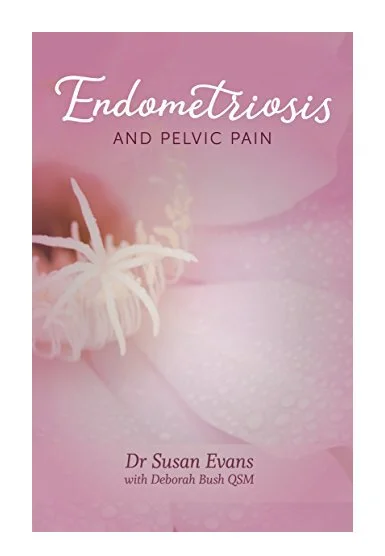
Endometriosis and Pelvic Pain
Book by Dr Susan Evans
I recommend all my patients read this excellent book by Dr Susan Evans. We also sell hard copies in the rooms.
-

Pelvic Pain Foundation
Resource
-

Healthify New Zealand - Chronic Pain
Information